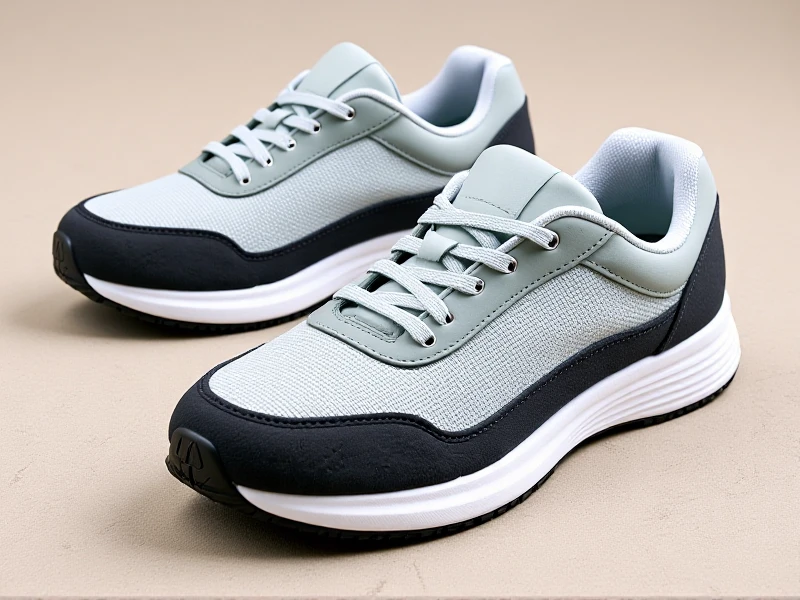
Finding Your Perfect Pair of Sports Shoes: A Complete Guide
Are you tired of foot pain during workouts or feeling sluggish on the track? Investing in the right sports shoes can revolutionize your athletic performance. Sports shoes aren't just accessories—they're essential gear that provides cushioning, support, and stability for various activities. In this guide, we'll explore how to choose the best pair and why it matters for your health and enjoyment. Whether you're a casual gym-goer or a dedicated runner, understanding the basics will help you avoid injuries and achieve your fitness goals.
First, consider the different types of sports shoes available. Running shoes are designed for forward motion, with ample cushioning to absorb impact on hard surfaces. If you play basketball or tennis, opt for court shoes that offer lateral support for quick side-to-side movements. Cross-training shoes are versatile for gym sessions, handling weightlifting, cardio, and agility drills. For outdoor adventures, trail shoes feature rugged soles with deep treads for better grip on uneven terrain. Remember, choosing sports shoes that match your sport prevents strains and enhances efficiency.
Fit is critical when selecting sports shoes. Always try them on in the afternoon when your feet are slightly swollen, simulating workout conditions. Ensure a thumb's width of space between your longest toe and the shoe end, and test them with the socks you'll wear. Look for features like arch support to prevent issues like plantar fasciitis, and flexible yet supportive materials to accommodate natural movement. Brands offer specialized models for high arches, flat feet, or neutral pronation—don't hesitate to get your gait analyzed by an expert for personalized advice.
The benefits of quality sports shoes extend beyond comfort. They reduce the risk of injuries such as shin splints or blisters by distributing pressure evenly. Plus, they boost performance; for instance, lighter shoes can improve speed in runs, while sturdier ones add durability for high-impact sports. Make a habit of replacing your sports shoes every 300-500 miles to maintain cushioning, and rotate pairs if you're active daily to extend their lifespan.
In summary, finding your ideal sports shoes involves matching them to your activity, prioritizing fit, and investing in durable brands. Not only do they protect your feet, but they also make every workout more enjoyable and efficient. Ready to upgrade? Visit our site for top recommendations and exclusive deals—lacing up the right pair could be your next step to peak fitness!